I've noticed people are opening with "Can I ask you a question?" before they ask anything. I haven't worked out the virtue of doing so.
Best guess: an intent to be considerate. A way of letting someone opt out before anything gets controversial or uncomfortable. Reasonable theory. In practice though, I don't know what the question is until you ask it. I shouldn't give permission for you to ask it without any context; it's not a commitment I want to make in advance.
When the qualifying question is posed, I do brace myself a little for impact but I always say yes. I've often considered suggesting adding full context to the question to help the responder:
"Can I ask a question about your fractured family?"
"Can I ask you a question about your sexuality?"
"Can I ask you about the Israel-Hamas war?"
If you've given me this much information, enough to decide, you've already asked the question really. The "Can I ask..." hasn't protected anyone. It only delayed the question. Linguists have been picking at this since 1980, when Emanuel Schegloff wrote an entire paper on the phrase and called it a preliminary to a preliminary - a warm-up to a warm-up.
In other settings, seeking permission can reduce resistance - when giving feedback, handing the choice to the receiver results in less opposition and calmer conversations. The perception is that they had a voice in the decision. We'll set aside the impact of authority on their capacity to say 'no'.
Questions are different.
Whoever's being asked retains the choice of whether to answer regardless of how it's prefaced. My policy doesn't change either way. If the question turns out to be personal, impertinent or none of anyone's business, I'll say so once I've heard it. That was always going to be the case, permission or not.
Just ask the question. I'll tell you if I'm not answering it.
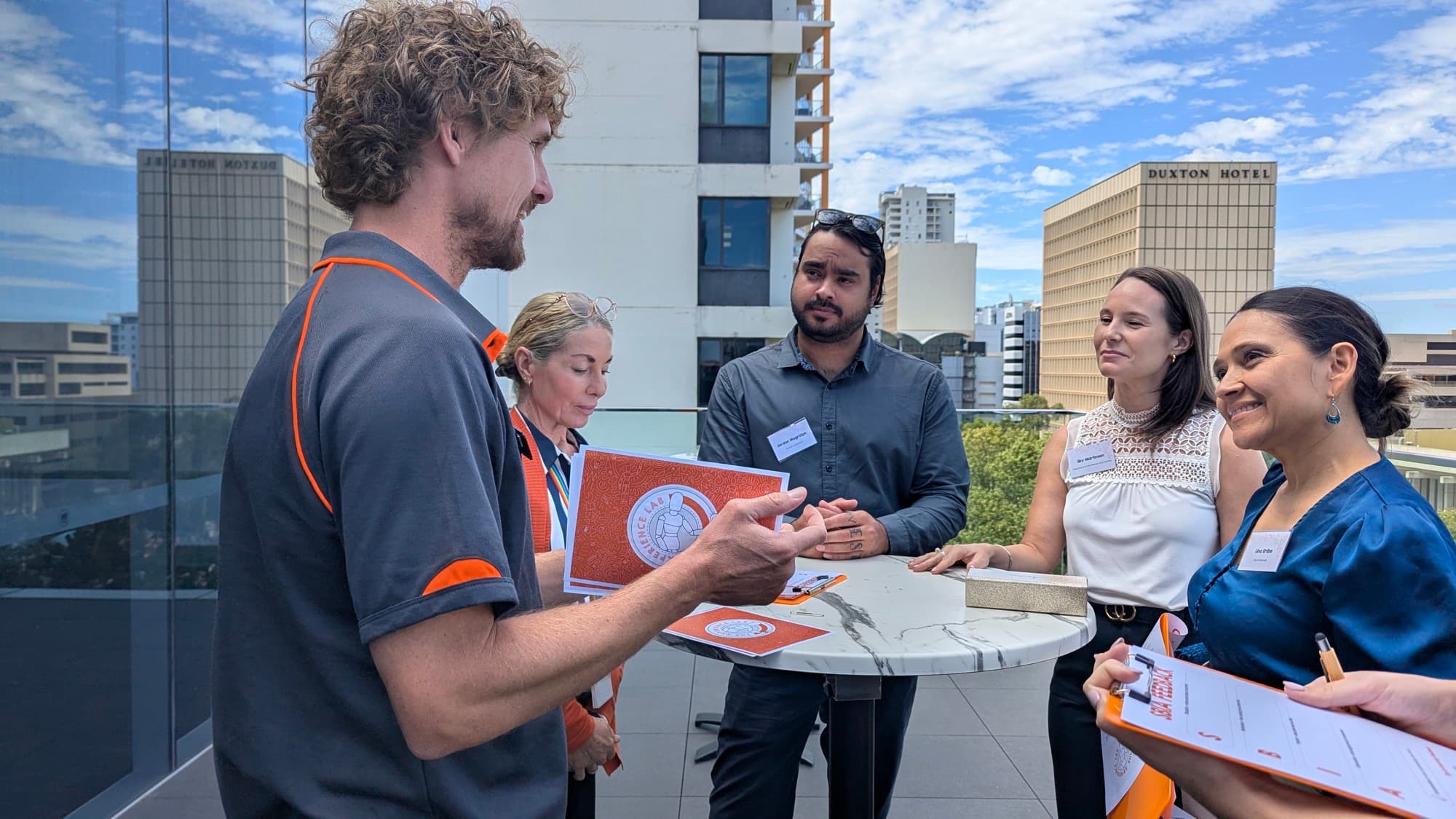
Asking better questions - and hearing the answer without flinching - is the whole of our Introduction to Coaching program, and the reason Cultivating Courageous Conversations rehearses the opener with trained actors before anyone has to use it for real.