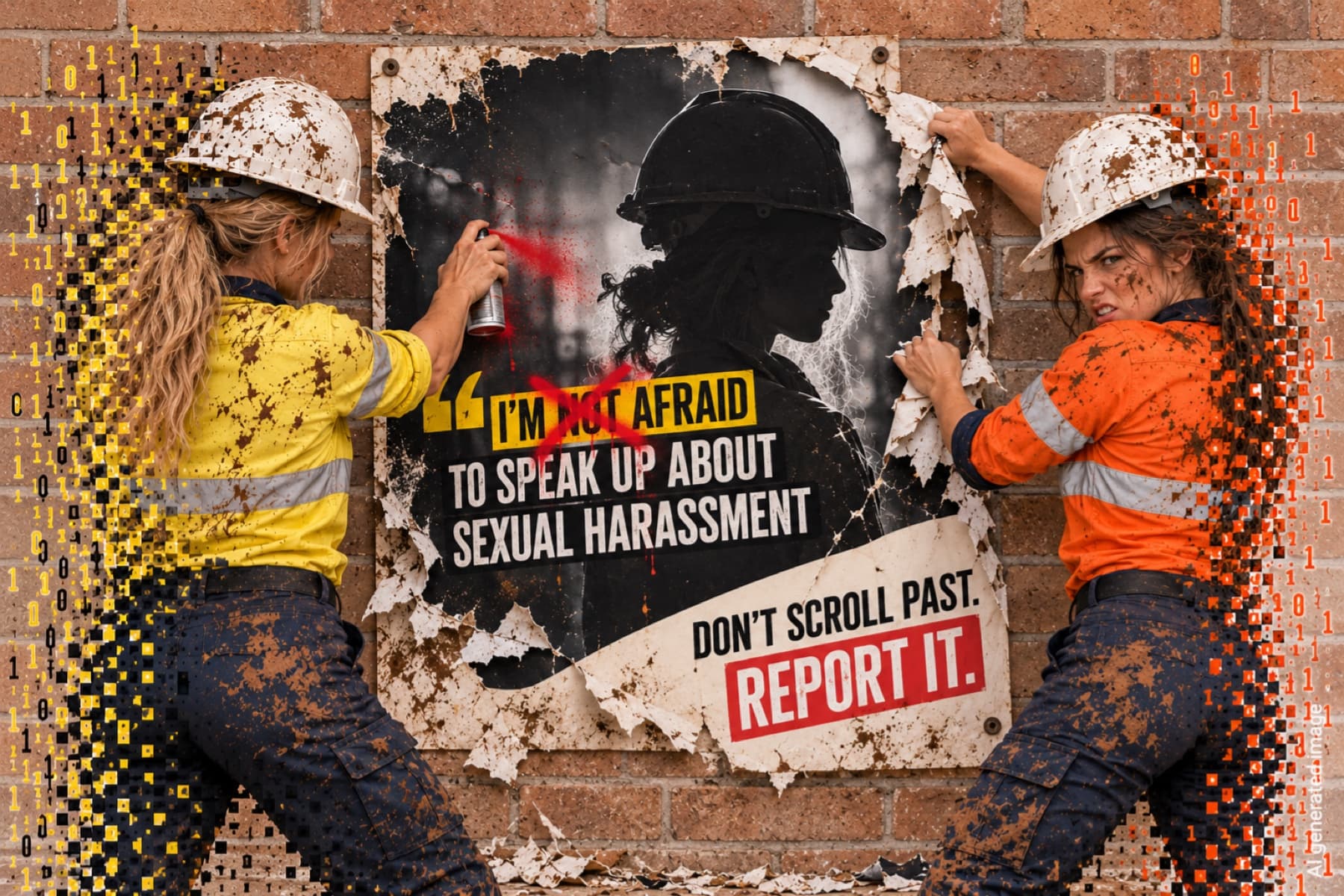
When a fetishised FIFO ‘worker’ was exposed as AI-generated, more than 80,000 followers felt betrayed. Women in mining have felt that way for years. Real or fake, sexualised content in hi-vis undermines Respect@Work and follows real women to site. The outrage is justified. It’s just aimed in the wrong direction.
Bindi Raye, famous for portraying a fetishised female FIFO worker made headlines in Australia and overseas. Her sexualised posts on mainstream social media drew more than 80,000 followers, and steered fans to more intimate content on an adult subscription platform. An Australian investigation revealed ‘she’ was an AI-generated fabrication. The reaction was swift. People felt betrayed, violated and deceived.
As people got prickly over another warning about AI, another danger went overlooked.
Women in mining were feeling betrayed, violated and deceived long before this story broke. A 2024 MARS WA study of more than 2,500 mining workers found up to 41% of women had experienced sexual or gender-based harassment at work in the past year - behaviour that, by definition, leaves a reasonable person feeling offended, humiliated or intimidated (against 19% society wide). Content like this, real or AI-generated, undermines every effort to prevent it. It tells the world that women who pull on hi-vis and enter mining are willing to be objectified and sexually consumed.
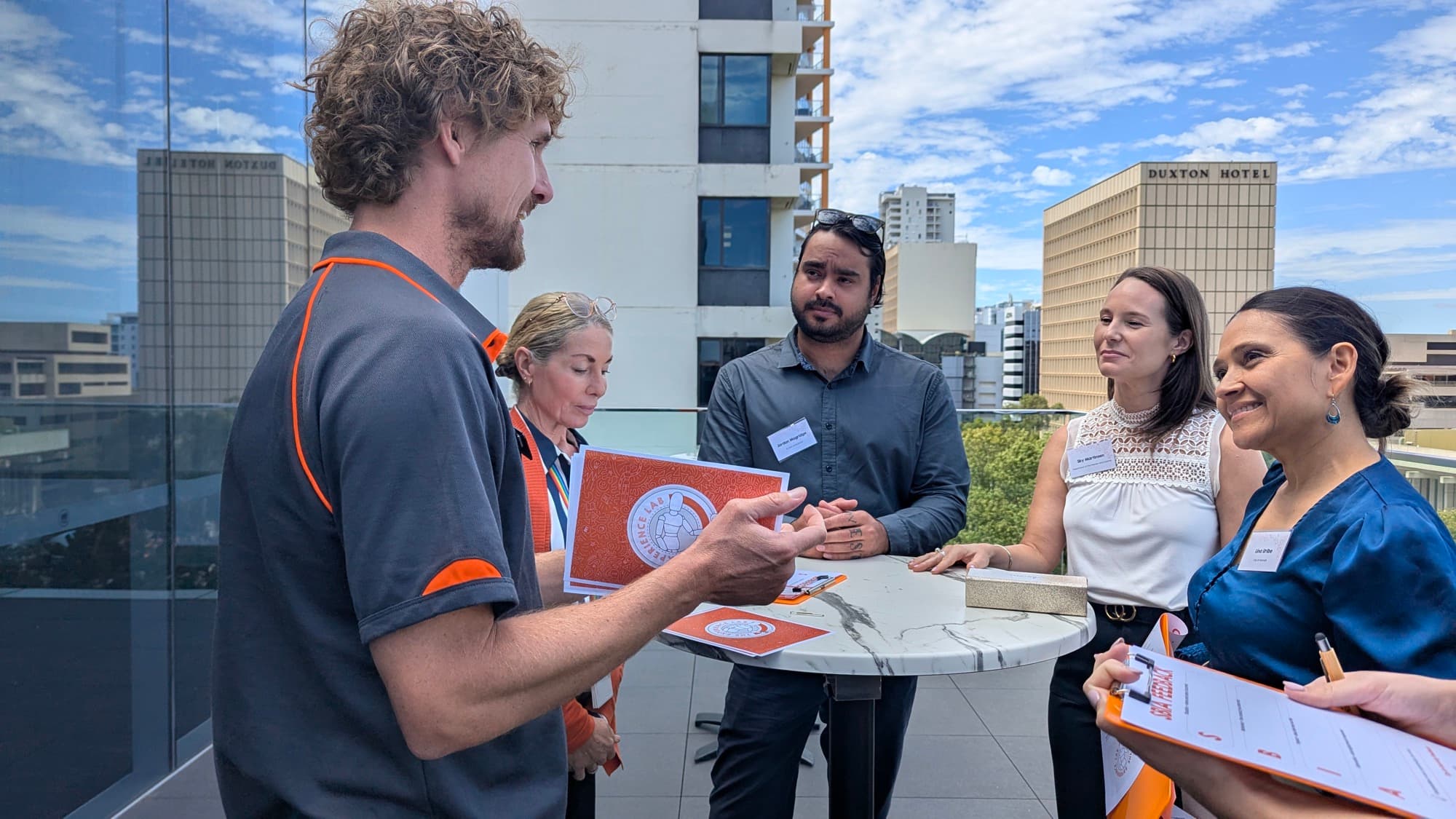
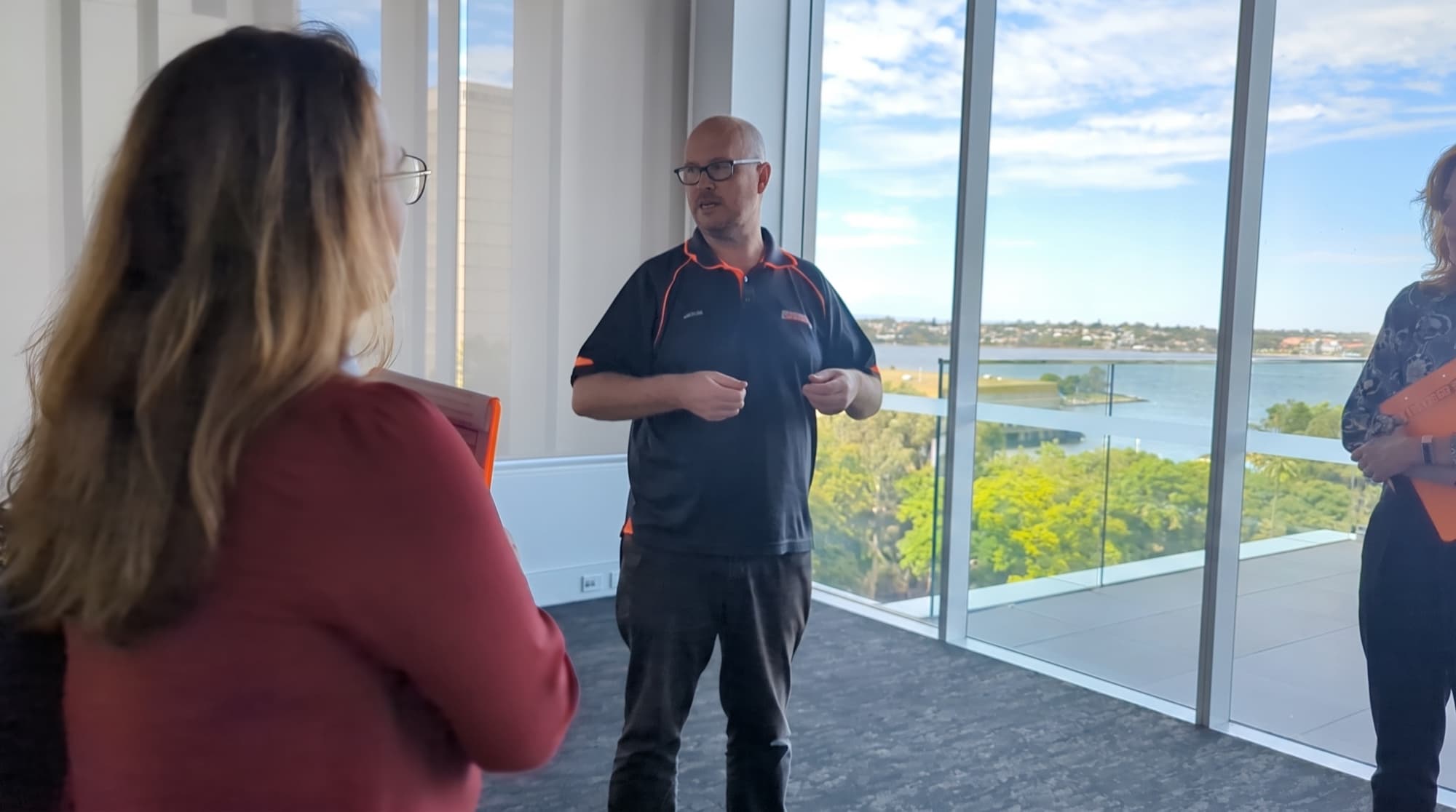
The coverage exposed a contradiction. The Experience Lab work with many organisations’ Codes of Conduct, and most of them set clear rules for employees’ social media use on site, in uniform or when representing the company. Yet content selling female FIFO workers as sex objects is being filmed on site and in (usually de-identified) workwear. Where that content is real, someone is breaching those codes. Rules only work if someone reports it. Some codes also cover employees who publicly comment on these accounts. The comments fuelling this content are public, and they poison the respectful culture these codes exist to protect.
Letting these profiles go unchecked has a cost, and real women on site pay it. Seeing one woman portrayed sexually changes how people judge other women. In three studies, including one with business executives, seeing a businesswoman in sexualised work clothing led participants to rate a different, highly qualified woman as less competent. On a worksite, that spillover makes it harder for women to be safe, build working relationships with male colleagues, be valued by the team and be taken seriously. Pornography sharpens the risk. In a 2024 Our Watch report more than half the young men who had seen porn watched it weekly or more, and 72% of young men agreed it affects how women are viewed in real life. When the uniform in that content is hi-vis, the association follows women to work.
Meta removed ‘Bindi Raye’s’ Instagram account for breaching its deceptive identity policy by not declaring the AI content. Not every platform has followed. The demand for “her” content continues. There are accounts portraying a sex-hungry FIFO worker still earning likes, follows and subscriptions. The comments show the 72% playing out - men, many mining employees themselves, forming views about women on site from what they see online. Those views muddy what men think is welcome for women in mining. On site, it’s the cue to Be an Upstander: call out this content when it’s shared and support the women who speak up.
By all means, be outraged by the Bindi Raye accounts.
Society, the media and every mining company with its name on the line should be.
Aim the outrage at the harm to real women. The egos of those fooled by AI will recover.
Where does the responsibility sit for calling out or reporting these accounts - with the platforms, the employers or the people scrolling past? And how do we teach younger workers that what they like, share and follow shapes how women are seen on site?